Telehealth or Trap? A Consumer's Field Guide to Online Anxiety Treatment Services in 2024
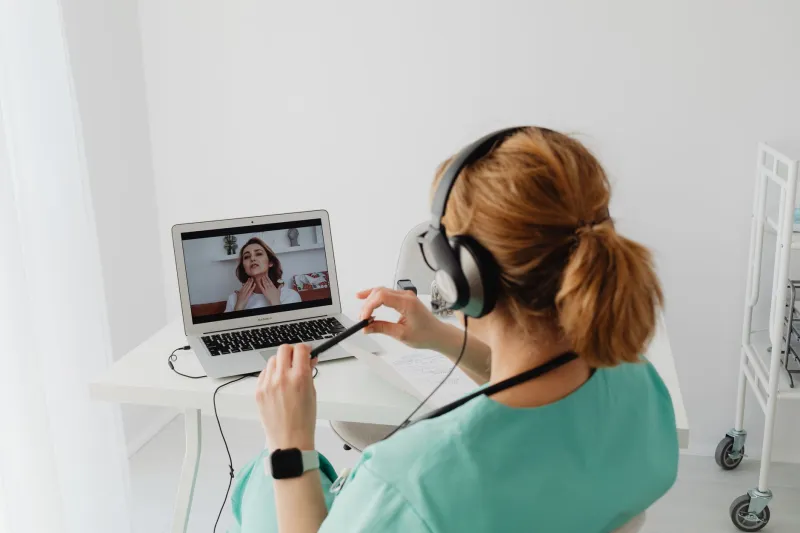
The rise of telehealth has transformed how Americans access mental health care. What once required a waiting room, a commute, and weeks on a cancellation list can now happen from your couch in a single video call. For people living with anxiety — a condition that can make the simple act of scheduling an appointment feel overwhelming — this accessibility is genuinely life-changing.
But convenience has attracted opportunists. Alongside the licensed, reputable platforms are operations more interested in recurring subscription revenue than in your recovery. Knowing how to tell them apart is now an essential patient skill.
Why Online Anxiety Care Has Exploded
Since 2020, federal and state regulators loosened restrictions on remote prescribing, including the rules that previously required an in-person exam before certain prescriptions. At the same time, consumer demand for mental health services surged. The result: hundreds of platforms now advertise anxiety treatment online, ranging from hospital-affiliated telehealth networks to venture-funded startups to, unfortunately, websites that exist primarily to sell medication refills.
Legitimate telehealth is real medicine. The problem is that the storefronts look remarkably similar.
The Checklist: How to Vet a Platform Before You Share Anything
Before entering your health history or payment information, take ten minutes to verify the following:
1. Confirm the clinicians are licensed in your state. Any legitimate service will tell you who its prescribers are — physicians, nurse practitioners, or physician assistants — and verify they hold active licenses in your state. State medical boards offer free public license lookup tools; use them.
2. Look for a real medical evaluation, not a questionnaire-only pipeline. A five-question quiz followed by a prescription is a red flag. Reputable platforms require a live video (or at minimum, asynchronous review by a licensed clinician) and will decline to prescribe when medication isn't appropriate.
3. Read the privacy policy for data selling. Some platforms monetize your health questionnaire by sharing it with advertisers or data brokers. Look for explicit statements that your information is protected under HIPAA and not sold.
4. Check pharmacy accreditation. If the service ships medication directly, the affiliated pharmacy should be licensed in the US and verifiable through your state board of pharmacy or the NABP.
5. Review pricing transparency. Legitimate services publish clear costs — visit fees, membership charges, medication costs — before checkout.
Red Flags That Signal a Pill Mill
Certain patterns should end your consideration immediately:
- Guaranteed prescriptions. No ethical provider guarantees you will receive a specific medication before evaluating you.
- Pressure toward subscriptions. Be wary of services that make medication access contingent on auto-renewing monthly memberships that are difficult to cancel.
- Controlled substance shortcuts. Some anxiety medications, such as benzodiazepines, carry dependence risks and are heavily regulated under the Ryan Haight Act. A platform that advertises these drugs with same-day, no-questions-asked prescribing is operating outside safe practice.
- No clinician identity. If you cannot find the name, credentials, or licensure of the person treating you, walk away.
- Aggressive upselling. Supplements, branded "wellness kits," and add-on products pushed alongside your consultation suggest the business model is retail, not medicine.
- Off-brand or unverified pharmacies. Medication shipped from overseas or from pharmacies you cannot verify may be counterfeit, subpotent, or contaminated.
What 2024 Regulations Mean for Your Privacy and Safety
The regulatory landscape is still catching up to the telehealth boom. Several points matter to consumers:
Prescribing rules vary by state. Some states permit medication prescribing after a video consultation; a handful impose additional requirements. A legitimate platform will know and follow your state's rules — a careless one may not.
The DEA's flexibilities have been in flux. Rules that expanded remote prescribing of controlled substances have been extended but repeatedly revised. Check whether a platform's practices align with current federal guidance, especially if a benzodiazepine is being discussed.
HIPAA applies, but marketing loopholes exist. Some telehealth companies have faced Federal Trade Commission action for sharing sensitive health data with advertisers. Before signing up, look for a track record free of enforcement actions and read how the company handles "secondary use" of your data.
You retain the right to records. Under HIPAA, you can request copies of your visit notes and prescriptions. Platforms that make this difficult are telling you something.
Questions to Ask Before Your First Appointment
Arm yourself with a short list:
- Who will be treating me, and what is their license number?
- What happens if medication isn't right for me — will you still provide care?
- How are follow-ups and dose adjustments handled?
- Can I speak with the same clinician each visit?
- What are the total costs, including any membership, after the first month?
A trustworthy provider will answer these directly and without hesitation.
The Bottom Line
Telehealth has opened real doors for anxiety treatment, and many online platforms deliver excellent, evidence-based care. But the same screen that connects you to a licensed professional can connect you to a subscription trap. Verify licenses, demand a genuine evaluation, scrutinize the business model, and protect your data like the sensitive medical record it is.
Your anxiety deserves treatment that is legitimate, safe, and centered on you — not on your monthly payment. Take the extra ten minutes to check. Your future self will thank you.
This article is for informational purposes only and does not constitute medical advice. Always consult a licensed healthcare provider about anxiety treatment options appropriate for your situation.