That Half-Finished Bottle of Anxiety Pills Is a Bigger Risk Than You Think: A Safe Disposal Guide for American Households
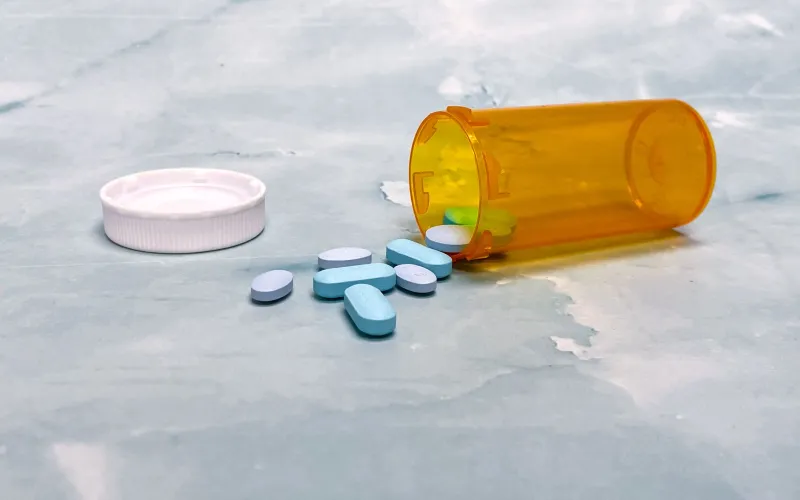
Treatment plans change. A dose gets tapered down, a prescriber switches medications, or a bottle simply outlives its refill schedule. What's left behind — a handful of hydroxyzine tablets, a partially filled buspirone container — often ends up forgotten in a medicine cabinet for years. At Attarax Relief, we hear from many readers who assume an expired anxiety prescription is harmless. In reality, those leftover pills carry three distinct risks: accidental ingestion by children, diversion and misuse by teens or visitors, and environmental contamination when disposed of improperly.
Why Leftover Anxiety Medication Deserves Attention
Unlike a leftover antibiotic, many anxiety medications fall into categories with real misuse potential. Benzodiazepines such as alprazolam and lorazepam are controlled substances, and even non-controlled options like hydroxyzine can be dangerous in the wrong hands or the wrong dose. The Substance Abuse and Mental Health Services Administration has long identified home medicine cabinets as a leading source of prescription drug misuse among adolescents, most often involving medications obtained from family members rather than strangers.
There's also the confusion factor. An expired bottle with a worn label is easy to misidentify, and taking a faded, years-old pill is never a good idea. Potency degrades, and storage conditions in humid bathrooms can accelerate that breakdown.
First Choice: DEA Takeback Programs and Pharmacy Drop-Off
The Drug Enforcement Administration coordinates National Prescription Drug Take Back Days, typically held twice a year in April and October, when collection sites open across all 50 states. These events accept tablets, capsules, and patches — no questions asked, and usually no need to remove labels.
Between official events, permanent disposal options remain widely available:
- Pharmacy drop-off kiosks. Chains such as CVS, Walgreens, and Rite Aid, along with many independent pharmacies, maintain secure collection bins near the pharmacy counter.
- Law enforcement collection sites. Many police departments and sheriff's offices host year-round receptacles.
- Hospital and clinic programs. Some health systems operate takeback kiosks in lobbies or outpatient pharmacies.
The DEA maintains a searchable locator on its website — enter a ZIP code and you'll typically find several options within a short drive. Before dropping anything off, remove or black out personal information on the prescription label to protect your privacy.
When Takeback Isn't Accessible: At-Home Disposal Done Correctly
If no drop-off site is nearby, the FDA provides a fallback method for most medications:
- Remove pills from their original containers.
- Mix them with something unappealing — used coffee grounds, cat litter, or dirt.
- Place the mixture in a sealed plastic bag or disposable container with a lid.
- Place it in household trash, out of reach of children and animals.
Scratching out all personal information on the empty bottle before recycling or discarding it adds another layer of privacy protection.
What About Flushing? A Closer Look
Flushing is where guidance gets nuanced. Environmental researchers have documented trace levels of pharmaceuticals — including psychiatric medications — in rivers, lakes, and even treated drinking water supplies. For most anxiety medications, flushing is discouraged precisely because of this cumulative environmental load.
However, the FDA maintains a short "flush list" of medications deemed so dangerous if a single accidental dose is ingested that immediate disposal down the toilet is recommended. Some potent controlled substances appear on this list. If your leftover medication appears on the FDA's current flush list, flushing takes priority over environmental concerns — the risk of an accidental or intentional overdose outweighs trace water contamination.
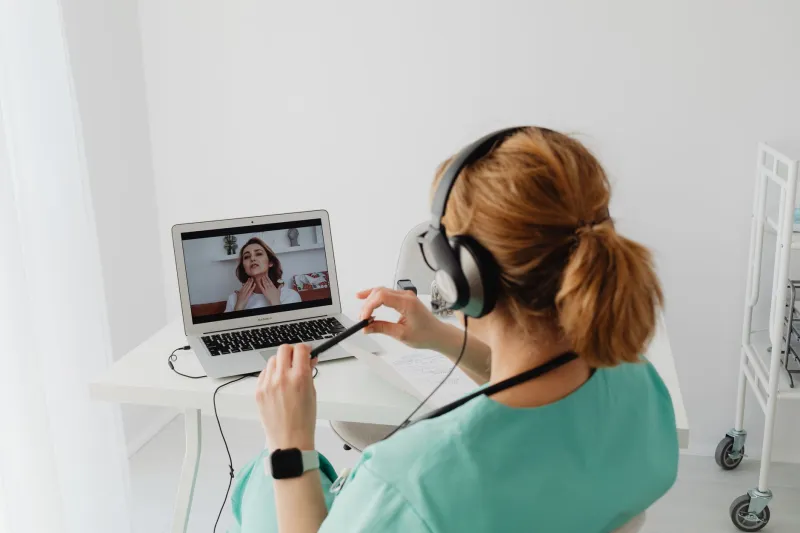
When in doubt, ask your pharmacist. As we've noted before, pharmacists are an underused resource, and disposal questions are among the simplest ones they field daily.
Storage Safety: Preventing the Problem Before It Exists
The best disposal strategy begins with better storage habits:
- Keep medications locked and elevated. A locked medicine box or a high cabinet out of sight matters far more than most families assume, especially in homes with teenagers.
- Avoid the bathroom medicine cabinet. Heat and humidity from showers degrade medication and make bathrooms the first place curious kids tend to look.
- Track quantities. For controlled substances, periodically counting pills helps you notice discrepancies early.
- Request smaller quantities. If you and your prescriber are tapering a dose or trialing a new medication, ask for a smaller fill so there's less surplus to manage later.
Households with teens should also have open conversations about prescription misuse. Medications diverted from home are frequently shared at school or parties, and a calm, factual conversation about the dangers of taking someone else's prescription is a meaningful preventive step.
A Quick Word on Sharing and Saving
Two habits deserve firm boundaries. First, never share anxiety medication with family members or friends, even if symptoms seem identical — dosing, interactions, and contraindications are individual. Second, don't save leftover pills as a "backup" for future anxiety flare-ups. Self-prescribing from an old bottle bypasses medical oversight and can mask a condition that needs reevaluation.
The Bottom Line
Clearing out expired or unused anxiety medication is a small task with outsized benefits: a safer home, a cleaner watershed, and one less avenue for misuse in your community. Check your cabinets twice a year — a natural habit to pair with the DEA's spring and fall takeback days — and when in doubt, bring your questions to your local pharmacist. Responsible treatment doesn't end at the last dose; it ends with responsible disposal.