The Free Expert You're Walking Past: Why Your Pharmacist May Be Your Best Ally in Anxiety Treatment
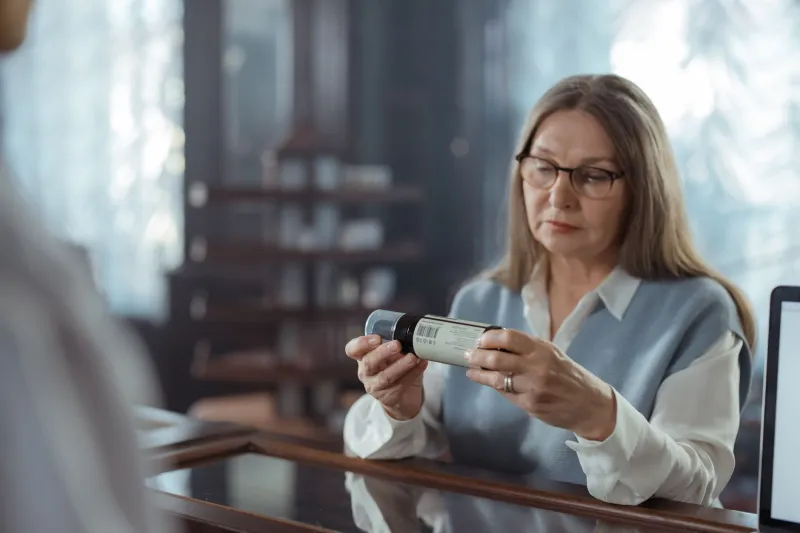
Most Americans see their prescriber a few times a year for fifteen minutes. They see their pharmacist far more often — and those visits are free, no appointment required. For the millions managing anxiety with medication, this makes the neighborhood pharmacist one of the most underused resources in the entire healthcare system.
The Clinician Who Sees Your Full Picture
When a psychiatrist or primary care physician writes a prescription for an SSRI, a benzodiazepine, or hydroxyzine, they typically see one slice of your medical life: the records in their own system. Your pharmacist, by contrast, often holds the most complete medication record that exists.
Fill a prescription at a Walgreens in Ohio, a CVS in Arizona, or an independent pharmacy down the street, and that dispensing record follows you. Pharmacists routinely spot the overlapping prescriptions, duplicate therapies, and supplement combinations that no single prescriber's chart reveals. In an era when patients see multiple specialists and order medications from online pharmacies, that bird's-eye view matters enormously.
Catching What Falls Through the Cracks
Consider a few scenarios pharmacists handle every week:
- Interaction screening. Certain anxiety medications carry serious interaction risks — SSRIs combined with triptans for migraines, benzodiazepines layered with opioid pain relievers or sleep aids, St. John's Wort interfering with prescription antidepressants. Modern pharmacy software flags these automatically, but it's the pharmacist's judgment that determines whether a flag warrants a phone call to your doctor.
- Dosing discrepancies. If a new prescription conflicts with what you've been taking — a doubled dose, an unexpected switch from generic to brand — a pharmacist catches it before you swallow a single tablet.
- Refill patterns. Early refills of a benzodiazepine can signal escalating use; repeated delays in filling an SSRI may suggest treatment abandonment or cost barriers. Pharmacists notice these rhythms and can raise concerns with both you and your prescriber.
Under most insurance plans, a medication therapy management (MTM) review is available at no additional charge — a one-on-one session where a pharmacist walks through every pill, supplement, and timing question you have.
Counseling at the Counter
Federal law requires pharmacists to offer counseling on new prescriptions, though many patients wave it off in the drive-thru line. That's a missed opportunity. A brief conversation can clarify whether to take your medication with food, what early side effects are normal versus concerning, and how long before you should expect to feel a difference — particularly relevant for SSRIs, which often take four to six weeks to reach full effect.
Pharmacists can also explain practical realities that get lost in the exam room: which generics are interchangeable, what to do if you miss a dose, and how to taper safely if you and your doctor decide to stop a medication.
Five Questions Worth Asking at Pickup
Bring these to your next visit:
- Does this interact with anything else I'm taking, including over-the-counter products and supplements? Be specific — mention melatonin, antihistamines, and herbal products.
- What side effects should prompt me to call my doctor right away?
- Is there a lower-cost generic or a 90-day supply option that could save me money?
- What should I do if I miss a dose?
- Can you schedule a full medication review with me? Most pharmacies will happily book one.
A Team Member, Not a Replacement
To be clear: a pharmacist does not replace your prescriber. They cannot diagnose anxiety, adjust your dose, or change your treatment plan. But as the most accessible member of your care team — no copay, no waiting room, often open seven days a week — they fill a gap that no one else can.
The next time a prescription is ready, step away from the drive-thru window. Walk inside, ask your questions, and put that expertise to work. Your anxiety treatment plan will be stronger for it.