When the House Goes Quiet: Why Empty Nest Anxiety in Your 50s Deserves Real Treatment
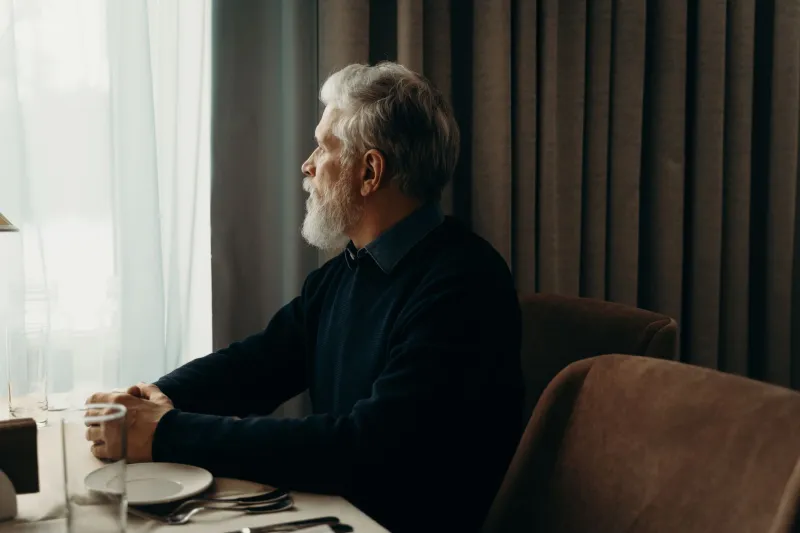
The last box is in the car. The dorm room is decorated. The driveway is empty. And somewhere between loading the dishwasher and falling asleep in a house that suddenly echoes, millions of American parents feel their chest tighten in a way it never has before.
If this sounds familiar, you are in good company. Mental health clinicians report that the late 40s and 50s—a period already crowded with hormonal shifts, career pressures, and aging parents—is one of the most common windows for a first diagnosable anxiety disorder. Yet midlife adults are among the least likely to recognize what is happening to them.
When Anxiety Wears a Disguise
Younger adults often identify anxiety quickly because they expect it. Adults in their 50s frequently do not. Instead, they experience racing thoughts, insomnia, stomach upset, dizziness, or a persistent sense of dread—and assume something is physically wrong. It is common for empty nest anxiety to be discovered only after multiple visits to a primary care physician, a cardiologist, or a gastroenterologist rule out other causes.
This pattern is one reason anxiety in midlife is chronically underdiagnosed. The symptoms are real; the label is simply wrong. And without the right label, the right treatment rarely follows.
Why the Empty Nest Hits So Hard
The departure of a child is officially a happy milestone, which makes the grief and worry that follow feel shameful or ungrateful. But the psychological reality is more complicated. For two decades or more, a parent's daily structure, identity, and sense of purpose revolved around caregiving. Its abrupt removal can unmask anxiety that was previously managed by sheer busyness.
Compounding factors are common at this stage of life:
- Perimenopause and menopause, whose hormonal fluctuations can independently amplify anxiety symptoms in women
- Sandwich-generation strain, with aging parents requiring care at the same time children gain independence
- Career plateau or instability, often peaking in the same decade
- Marital recalibration, as couples who operated as a parenting team must suddenly function as partners again
Any one of these can elevate baseline stress. Together, they create conditions in which an anxiety disorder can take root.
When It's Time to Seek Help
Occasional wistfulness after a child leaves is normal and typically fades within weeks or months. Professional evaluation is warranted when symptoms persist for several weeks and interfere with daily functioning. Warning signs include:
- Sleep disruption lasting more than a few weeks
- Frequent physical complaints without a medical explanation
- Compulsive checking of a child's social media or location, or repeated unplanned trips to visit them
- Avoidance of social activities, work obligations, or previously enjoyed hobbies
- Panic attacks, or a persistent feeling of impending doom
- Increased reliance on alcohol to take the edge off in the evening
A primary care physician is a practical starting point for most Americans. Many can screen for anxiety disorders in a single visit, rule out physical contributors such as thyroid dysfunction, and refer to a therapist or psychiatrist as needed.
What Treatment Looks Like in Midlife
The good news is that anxiety disorders respond well to treatment at any age, and midlife adults often engage with therapy more consistently than younger patients.
Psychotherapy. Cognitive behavioral therapy (CBT) remains the first-line recommendation and is particularly effective for the worry-centered patterns common in empty nest anxiety. Telehealth options have expanded access considerably for adults juggling careers and caregiving.
Medication. When symptoms are moderate to severe, medication can be an appropriate component of care. SSRIs and SNRIs are the most commonly prescribed classes for generalized anxiety, and hydroxyzine or buspirone may be considered in certain situations. Hormonal changes in perimenopause can influence both symptoms and medication response, so it is important to work with a prescriber who understands midlife physiology. Never start, stop, or adjust an anxiety medication without medical supervision—especially in this age group, where interactions with blood pressure medications, sleep aids, or supplements are common.
Lifestyle scaffolding. Regular aerobic exercise, consistent sleep schedules, and reduced alcohol and caffeine intake meaningfully support both therapy and medication. Rebuilding daily structure—through work, volunteering, or renewed hobbies—is not a cliché; it is a legitimate clinical strategy for restoring the routine that caregiving once provided.
For Couples: Two Empty Nests Are Harder Than One
Partners often experience the transition differently, and mismatched coping styles can become a source of conflict precisely when support is needed most. One partner may want to talk through every worry; the other may withdraw into work or silence. Neither approach is wrong, but the gap between them can deepen the anxiety for both.
Couples who navigate the empty nest well tend to do three things: they name the transition out loud rather than pretending everything is fine, they deliberately build new shared routines before resentment hardens, and they encourage each other toward professional help without judgment. If one partner's anxiety is persistent and impairing, framing treatment as a practical step—rather than a personal failing—makes it far more likely to happen.
The Quiet Can Become Something Good
An untreated anxiety disorder rarely resolves on its own, but a treated one usually does. Adults in their 50s who seek help for empty nest anxiety routinely report that, within months, the same quiet house that once felt oppressive begins to feel like space—room for a marriage, friendships, and interests that parenting left dormant.
The empty nest is an ending, but it does not have to be an anxious one. Recognizing the symptoms, asking for help early, and treating the condition as seriously as you would treat any other health diagnosis are the steps that make the difference.
This article is for informational purposes only and is not a substitute for professional medical advice. Consult a qualified healthcare provider about any symptoms or before starting or changing any medication.