That Latte Might Be Working Against Your Prescription: A Coffee Drinker's Guide to Caffeine and Anxiety Medication
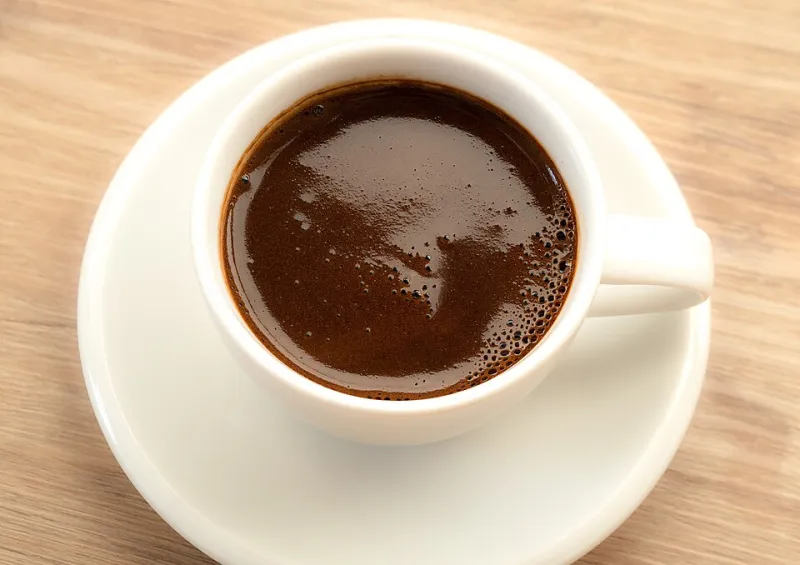
Photo: Petar Milošević, CC BY-SA 4.0, via Wikimedia Commons
The morning coffee ritual is sacred ground in American life. Roughly two-thirds of adults in the United States drink coffee daily, and many would surrender their smartphones before their espresso machine. But if you're one of the tens of millions managing an anxiety disorder with prescription medication, that beloved cup deserves more scrutiny than it usually gets.
Caffeine is the most widely consumed psychoactive substance in the world, and it doesn't operate in a vacuum. Inside your body, it collides with anxiety medications in ways that can blunt their effectiveness, amplify side effects, or — in rare but serious cases — create genuine medical danger. Understanding those interactions is one of the simplest steps you can take to protect your treatment.
Why Caffeine and Anxiety Make Awkward Bedfellows
Caffeine works by blocking adenosine, the brain chemical that builds sleep pressure throughout the day, while simultaneously stimulating adrenaline release. Heart rate climbs. Alertness sharpens. For most people, that's a feature.
For someone with an anxiety disorder, it can be a trigger. Clinical research has repeatedly linked high caffeine intake to increased jitteriness, racing thoughts, and panic symptoms — particularly in people already prone to anxiety. A dose of caffeine can mimic the physical sensations of a panic attack: pounding chest, sweaty palms, a sense of dread. The brain, primed to interpret those signals as threat, may escalate a benign caffeine buzz into a full episode.
Add medication to the mix, and the picture grows more complicated.
How Caffeine Collides With Common Anxiety Prescriptions
SSRIs and SNRIs (sertraline, escitalopram, venlafaxine and their cousins) don't interact with caffeine in a dangerous way for most patients, but the combination can be uncomfortable. Both caffeine and these medications can cause restlessness, insomnia, and tremor, and the effects can stack. Some research also suggests caffeine may speed the metabolism of certain antidepressants, subtly reducing their levels in the bloodstream.
Benzodiazepines such as alprazolam or lorazepam are sedatives; caffeine is a stimulant. Taken together, they work at cross-purposes. A morning latte can measurably dull the calming effect of your dose, prompting some patients to assume their medication "isn't working" when the real culprit is in the mug.
Buspirone is generally considered caffeine-friendly, but high doses of coffee can still intensify its common side effects — nervousness and dizziness chief among them.
MAOIs are the true red flag. Older medications like phenelzine and tranylcypromine interact with heavy caffeine consumption to risk sharp blood pressure spikes, including dangerous hypertensive episodes. Patients on MAOIs should discuss caffeine limits explicitly with their prescriber and monitor for throbbing headaches or a racing heartbeat after caffeine.
Hydroxyzine, the antihistamine increasingly prescribed off-label for anxiety, causes drowsiness that caffeine may partially counteract — but that's not a synergy to rely on. It's a sign your dosing or timing may need adjustment.
A Practical Timing Guide for Coffee Drinkers
You don't necessarily have to give up coffee. You may just need to outsmart it.
- Delay the first cup by 60–90 minutes after waking. Cortisol, your natural alertness hormone, peaks early in the morning. Riding that wave before adding caffeine means less coffee for the same effect.
- Create a caffeine cutoff of 8–10 hours before bedtime. Caffeine's half-life runs five to six hours, meaning a 3 p.m. espresso is still working the night shift in your nervous system at 10 p.m. Poor sleep worsens anxiety, which worsens the problem you're medicating.
- Never use coffee to "wake up" a benzodiazepine dose or chase alertness against sedating medications. Report the drowsiness to your prescriber instead.
- Watch your total load. Coffee isn't the only source — black tea, green tea, energy drinks, cola, and dark chocolate all count. Most clinicians suggest keeping total intake under 400 mg daily (roughly two 12-ounce cups of brewed coffee), and less if you're caffeine-sensitive.
Tapering Without Triggering Withdrawal Anxiety
If you and your clinician decide caffeine is undermining your treatment, resist the cold-turkey impulse. Abrupt cessation produces withdrawal symptoms — splitting headaches, fatigue, irritability, and a foggy, anxious dysphoria that can easily be mistaken for your condition worsening.
A gentler playbook:
- Reduce by roughly 25% per week. Swap one cup for half-caffeinated or decaf blends, which have improved dramatically in quality.
- Hydrate aggressively. Dehydration amplifies withdrawal headaches.
- Schedule the taper during a low-stress stretch, not the week of a big deadline or family event.
- Track symptoms in a simple journal so you can distinguish caffeine withdrawal from anxiety flares — and show the record to your prescriber if anything feels off.
The Bottom Line
Caffeine isn't the enemy of anxiety treatment, but it is a variable — one powerful enough to shape how well your prescription works and how you feel day to day. Before you change anything, bring your actual habits to your next appointment: how many cups, what times, what else you drink. Your prescriber can only fine-tune a treatment plan as accurately as the information you provide.
That first sip can still be part of your morning. With a little strategy, it can stop quietly working against the care you're investing in.
This article is for informational purposes only and is not a substitute for professional medical advice. Always consult your physician or pharmacist about caffeine use with your specific medications.